🥕
Food assistance
SNAP helps eligible households afford qualifying groceries. It is commonly referred to as food stamps.
Learn how SNAP food benefits work, who may qualify, how EBT cards are used, and where to start with an application.
SNAP stands for the Supplemental Nutrition Assistance Program, a federal nutrition assistance program administered through state agencies.
SNAP helps eligible households afford qualifying groceries. It is commonly referred to as food stamps.
Approved benefits are generally issued through an Electronic Benefit Transfer card that can be used at authorized retailers.
The federal government funds SNAP while states administer applications, eligibility decisions and EBT services.

After approval, benefits are loaded to an EBT card. The card works similarly to a debit card, but SNAP funds are restricted to eligible purchases.
SNAP eligibility is based on rules that can include household size, income, expenses, assets and other circumstances. State rules and current federal requirements matter.
The number of people who live together and purchase and prepare meals together can affect eligibility and benefit levels.
Income and certain allowable expenses are considered under SNAP rules. Thresholds can change and differ by household circumstances.
Work requirements, exemptions, citizenship or immigration rules, and special provisions may apply to some applicants.
Applications are handled by the SNAP agency in your state. Depending on where you live, you may be able to apply online, by mail, by phone or in person.
Use the USDA SNAP State Directory or your state's official benefits website.
Applications may ask about household members, income, expenses and other eligibility information.
Follow the application method provided by your state and complete any required interview.
Your state reviews the application and may request additional information before making a decision.
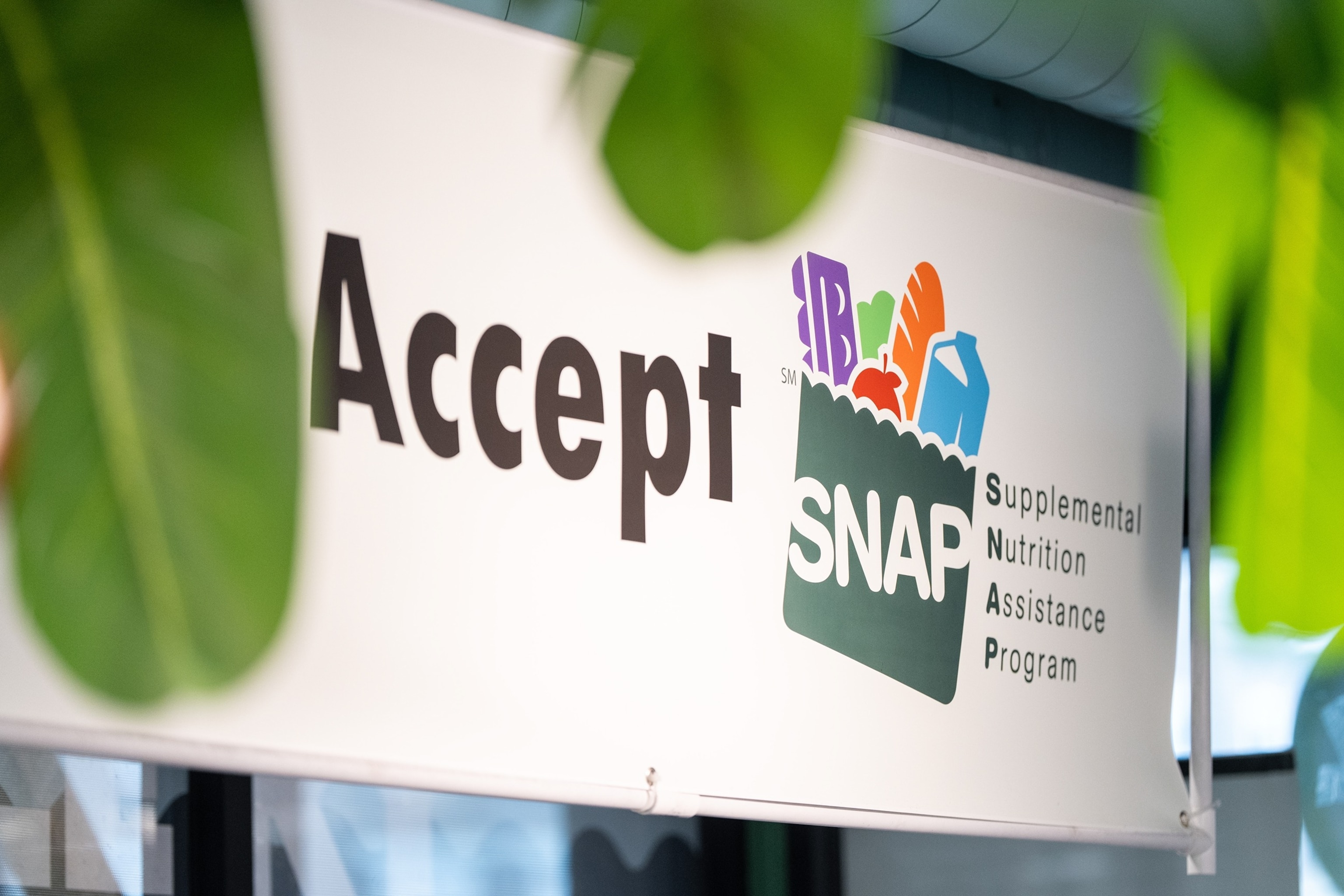
The program may have a different name in your state. For example, California calls its SNAP program CalFresh. Always verify current requirements with your official state agency.

SNAP generally covers qualifying food for the household. Rules can differ for certain products and programs, so confirm current guidance before making a purchase.
Generally excluded: alcohol, tobacco, vitamins and supplements, pet food, household supplies and other nonfood items. Hot food may also be excluded except where a special program applies.
Use the resource below to explore your next step. This link is provided by an independent third-party partner and is not an official government SNAP application.
SNAP is the current name of the federal nutrition assistance program formerly known as food stamps. People still commonly use the term “food stamps.”
No. SNAP is the benefit program. EBT is the electronic system and card used to deliver and spend benefits.
Many states offer online applications. Others may provide mail, phone or in-person options. Use the USDA SNAP State Directory to find your state's official agency.
Processing times depend on the state and the applicant's circumstances. Some cases can receive expedited consideration, while standard applications may take longer.
Your state's official SNAP or EBT agency can provide the correct customer service number. Avoid relying on unverified numbers posted by third-party websites.
No. States can use different names. California, for example, uses the name CalFresh for its SNAP program.